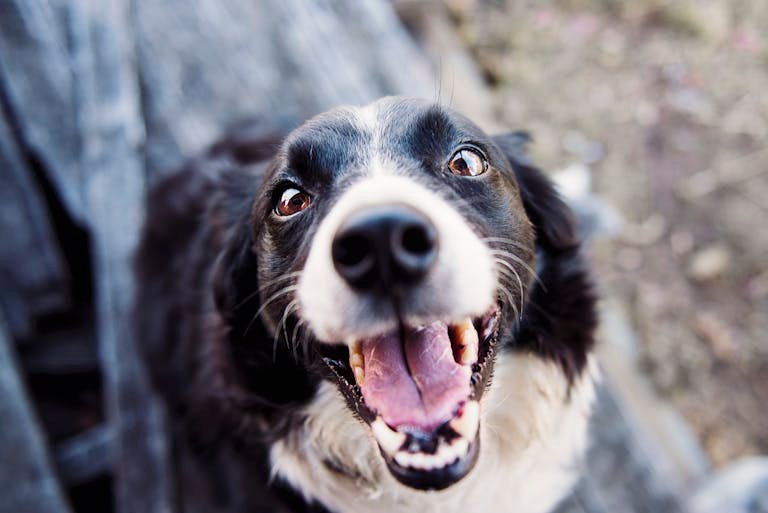

How Cold Is Too Cold for Dogs?
Most healthy dogs are fine outside down to about 45°F. Below freezing, small, short-coated, senior and very young dogs need short trips and probably a coat. Below 20°F, every dog is at risk of hypothermia and frostbite, so keep outings brief.
Those numbers move with wind, rain and your dog. A husky and a Chihuahua live in completely different winters.
A Simple Temperature Guide
These are the general ranges vets commonly use. Wind chill, wet fur and cloudy skies all make it feel colder than the thermometer says.
| Temperature | What it means for most dogs |
|---|---|
| Above 45°F | Comfortable for most dogs. Thin-coated breeds may already want a sweater. |
| 32 to 45°F | Fine for most. Watch small, short-haired, senior and sick dogs closely. |
| 20 to 32°F | Keep walks shorter. Small and thin-coated dogs should wear a coat. |
| Below 20°F | Risk of hypothermia and frostbite for all dogs. Quick potty breaks and short walks only. |
Dogs That Get Cold Fastest
- Small and toy breeds, which lose heat quickly
- Short or thin coats: Greyhounds, Whippets, Boxers, Pit Bull types
- Puppies and senior dogs
- Lean dogs with little body fat
- Dogs with heart disease, kidney disease, diabetes or arthritis
- Dogs that just got a short haircut
Thick double-coated breeds like Huskies, Malamutes and Bernese Mountain Dogs handle cold far better, but even they need shelter and unfrozen water.
Signs Your Dog Is Too Cold
- Shivering or trembling
- Holding up paws or refusing to keep walking
- Whining, tucking the tail or hunching
- Slowing down, seeming weak or confused
- Looking for somewhere to burrow
Head inside at the first signs. If your dog is lethargic, stiff or hard to wake, wrap it in warm (not hot) blankets and call your vet.
Frostbite: What to Look For
Ears, tail tips and paw pads are most at risk. Frostbitten skin may look pale or gray and feel cold and hard, then turn red and swollen as it warms. Don’t rub it. Warm the area gently with lukewarm water and call your vet, because the damage can take days to show.
How to Keep Your Dog Safe in the Cold
- Split walks into shorter, more frequent trips.
- Use a coat for small, thin-coated and senior dogs. Our winter must-haves guide covers coats, boots and paw balm.
- Wipe paws after walks to remove ice-melt salt and antifreeze residue.
- Check between the toes for ice balls in long-haired dogs.
- Never leave a dog in a parked car in winter. Cars hold cold just like they hold heat.
- Keep outdoor water from freezing, and bring dogs inside overnight.
FAQ
How cold is too cold to walk a dog?
For most dogs, keep walks short below 20°F. Small, thin-coated, young and senior dogs may need shorter walks starting around freezing.
Can dogs stay outside in 30-degree weather?
For a quick walk or potty break, most can. For long stretches, especially overnight, no. Dogs need a warm, dry indoor space in cold weather.
Do dogs need coats in winter?
Small, thin-coated, senior and lean dogs benefit from a coat once it’s near freezing. Heavy double-coated breeds usually don’t need one.
Is snow bad for dogs’ paws?
Snow itself is usually fine. Ice-melt salt, sharp ice and ice balls between toes cause most problems. Rinse or wipe paws after walks.
What temperature is too cold for a dog in the house?
If you’re comfortable, most dogs are. Small, senior and short-coated dogs appreciate a bed off the floor and a blanket when the house drops into the low 60s.
Sources
- Cold Weather Animal Safety (AVMA)
- Hypothermia in Dogs: How Cold Is Too Cold? (American Kennel Club)
- How Cold Is Too Cold for Your Dog? (PetMD)
Keep Reading
Get Pet Picks and Tips in Your Inbox
New guides, honest gear picks and the occasional reader pet feature. No spam.